
Squamous Cell Carcinoma
Squamous Cell Carcinoma (SCC) is a common form of skin cancer that affects thousands of people in the United States.
About Squamous Cell Carcinoma
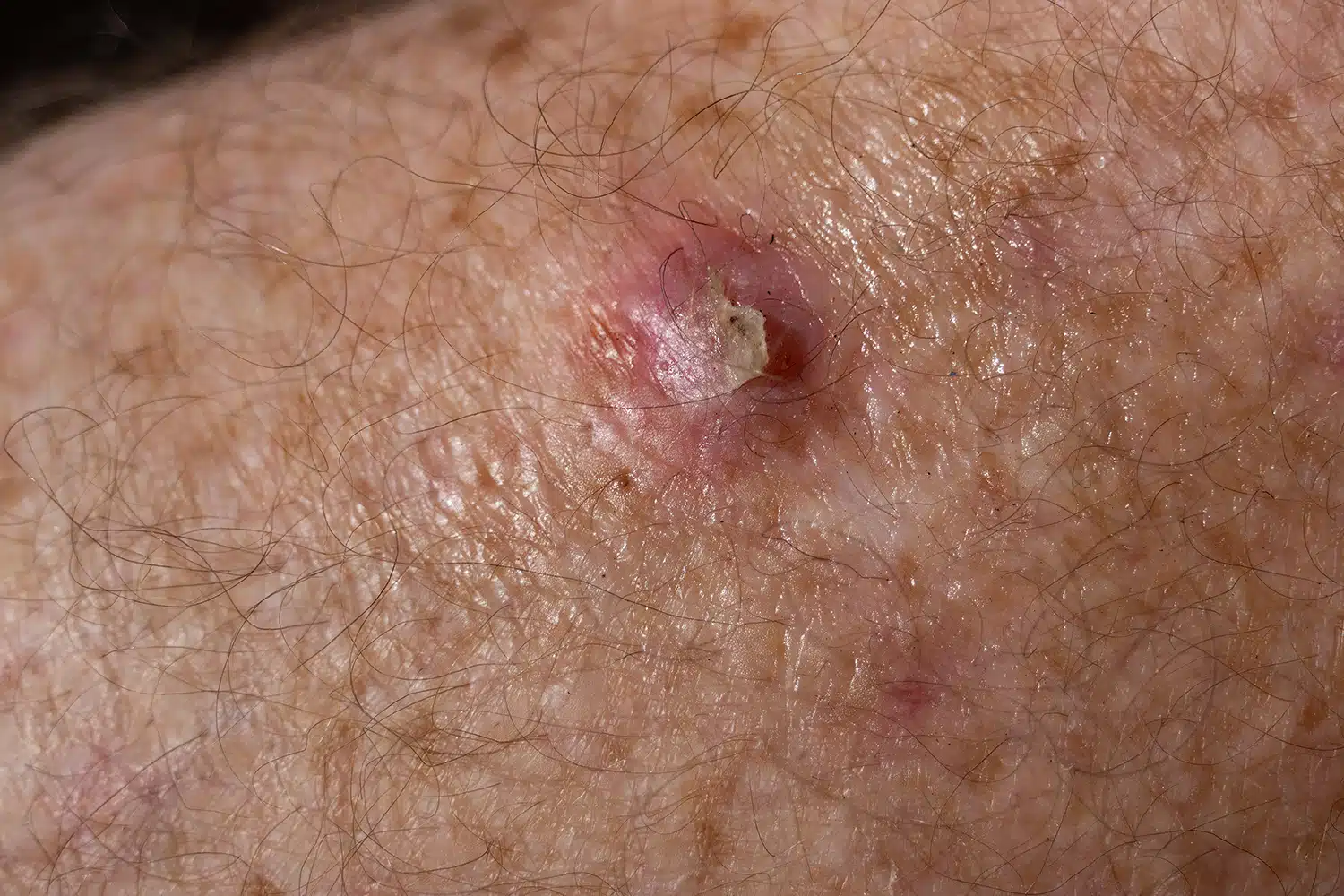
What Is Squamous Cell Carcinoma?
Squamous Cell Carcinoma is a type of skin cancer that arises from the squamous cells in the outermost layer of the skin. These cells are responsible for the skin’s flexibility and protective qualities. SCC typically develops in areas that have been exposed to the sun, such as the face, neck, ears, and hands. While SCC is usually slow-growing and may not spread as quickly as other skin cancers, early diagnosis and treatment are crucial for successful outcomes.
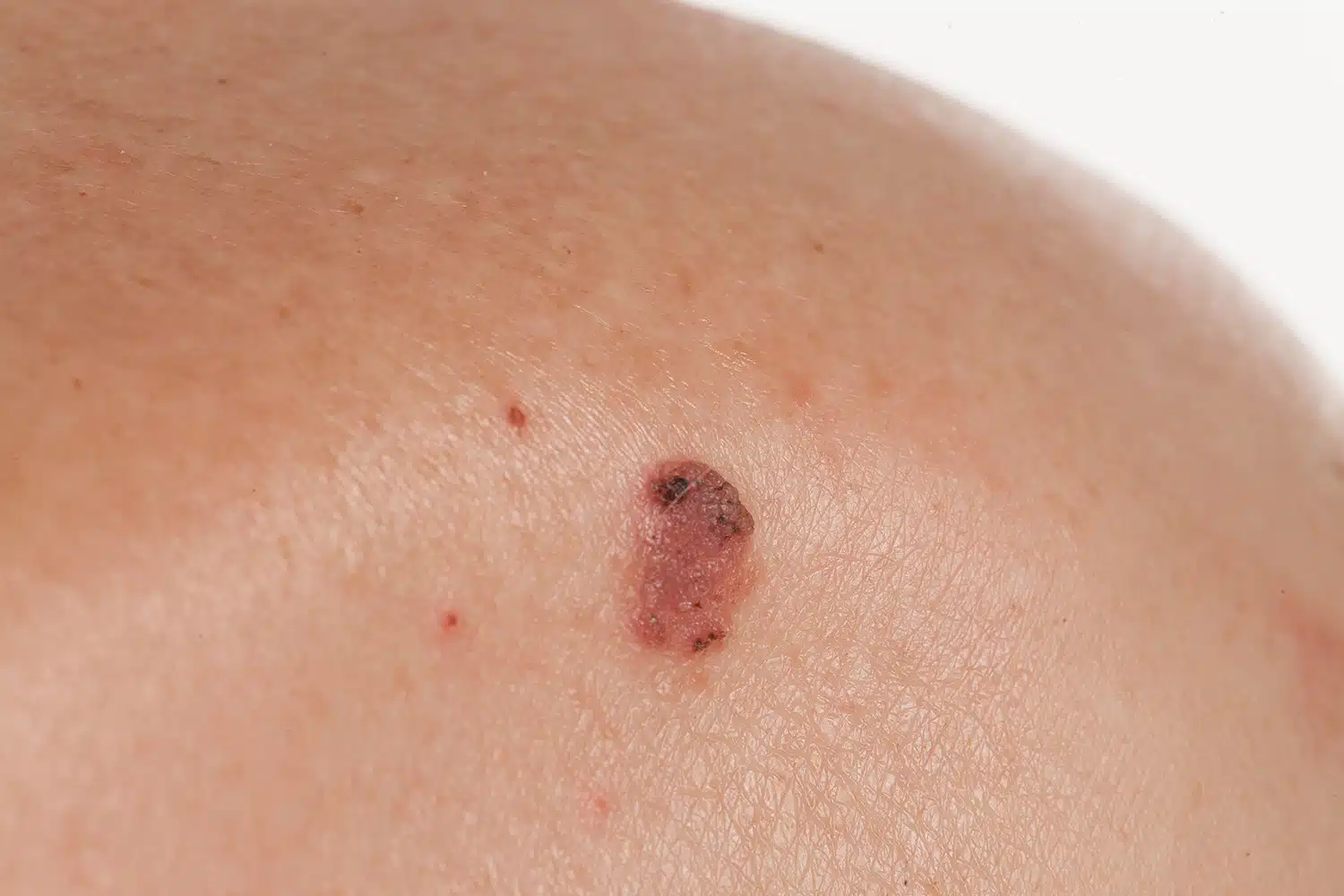
Causes of Squamous Cell Carcinoma
The primary cause of SCC is prolonged exposure to ultraviolet (UV) radiation from the sun or tanning beds. Other risk factors include a history of sunburn, fair skin, a weakened immune system, and a family history of skin cancer. It is essential to protect your skin from excessive sun exposure and take preventive measures such as using sunscreen, wearing protective clothing, and avoiding indoor tanning.
When to Get Treatment for Squamous Cell Carcinoma
If you suspect that you may have SCC or notice any unusual changes in your skin, it is crucial to seek professional evaluation. Common signs of SCC include persistent scaly patches, open sores that don’t heal, or growths with raised edges. Early detection and prompt treatment can significantly improve your prognosis.
Squamous Cell Carcinoma Treatment Options
Treatment options for SCC depend on factors like the tumor’s size, location, and how deeply it has invaded the skin. Dr. Harvey offers a range of treatment options, including:
Surgical Excision
This involves the removal of the tumor along with a margin of healthy tissue.
Topical Chemotherapy
A cream or lotion is applied to the skin to destroy cancer cells.
Mohs Micrographic Surgery
A precise surgical technique that removes the tumor layer by layer, minimizing damage to healthy skin.
Cryotherapy
Freezing the tumor with liquid nitrogen.
Radiation Therapy
Effective for treating SCC in areas where surgery may be challenging.
Dr. Harvey will recommend a treatment plan tailored to your specific case, taking into account your health and cosmetic concerns.

Squamous Cell Carcinoma Aftercare
After treatment, it’s crucial to follow our recommended aftercare procedures. This may include wound care, sunscreen use, and regular follow-up appointments. Monitoring your skin and protecting it from further UV exposure are essential to prevent the recurrence of SCC.

Have Questions About Skin Cancer Care?
Schedule a consultation today to discuss treatment options, pricing, and next steps with Dr. Harvey.