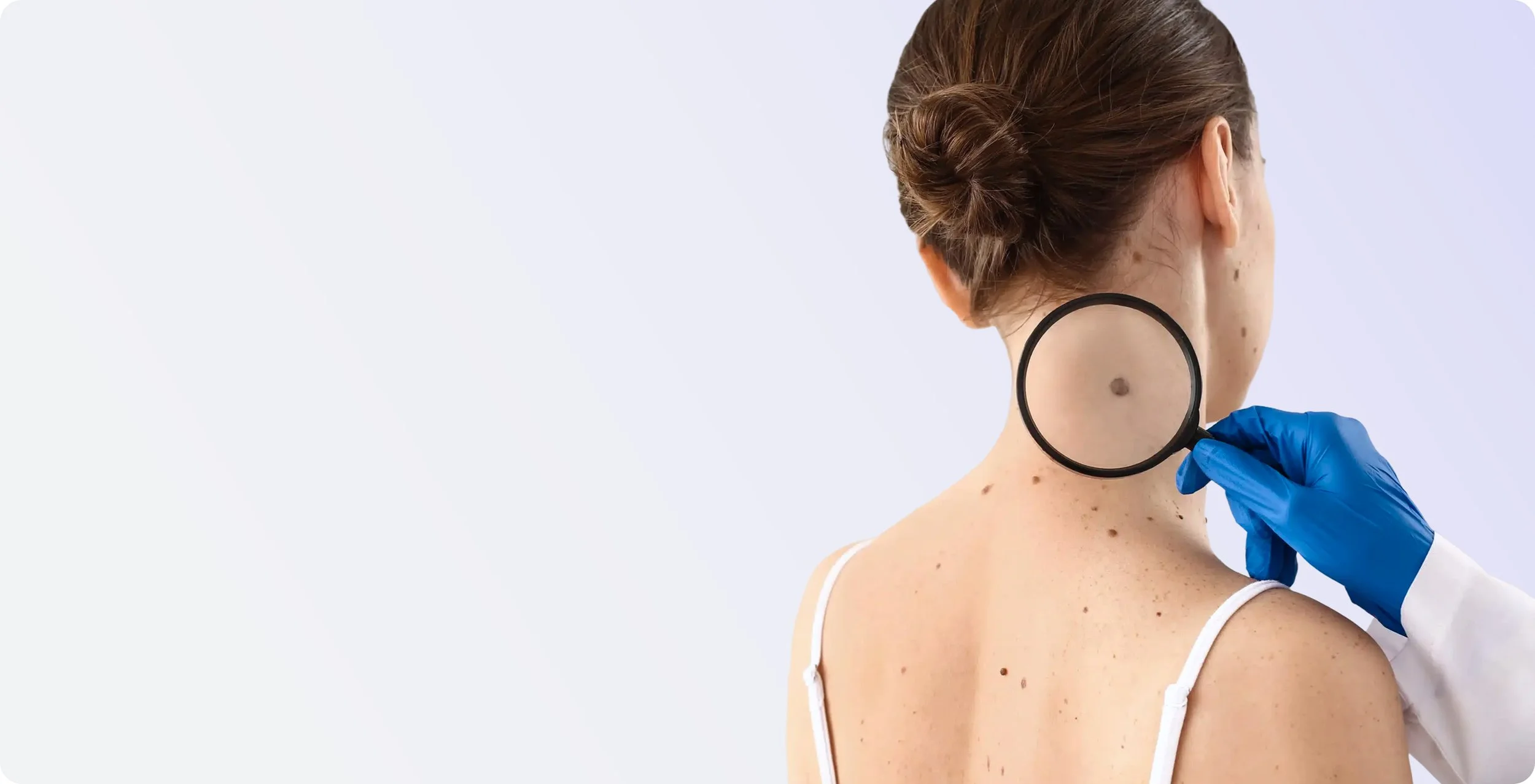
Malignant Melanoma
Malignant melanoma is an aggressive form of skin cancer that is curable with early diagnosis and treatment.
About Malignant Melanoma
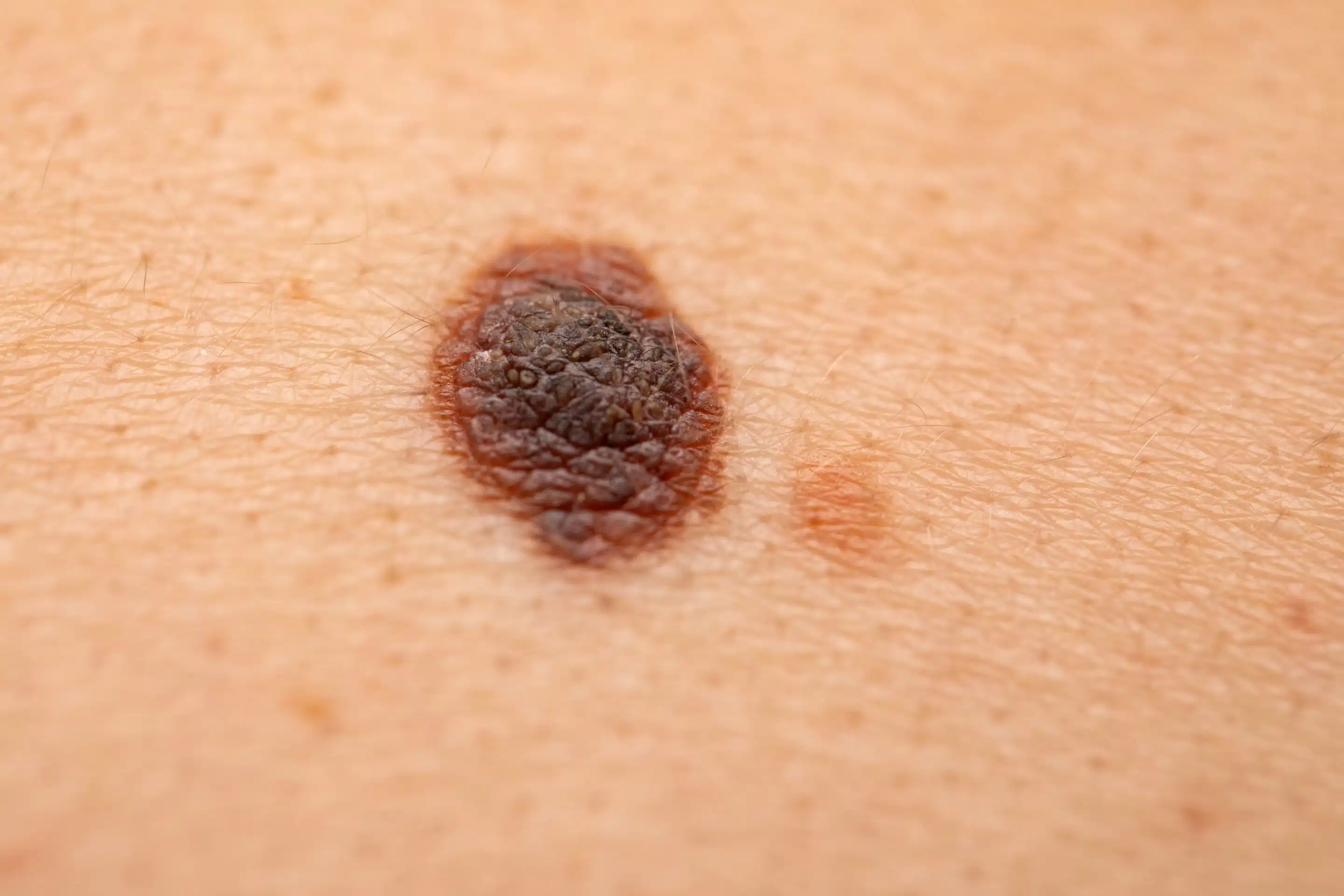
What Is Malignant Melanoma?
Malignant melanoma, often referred to simply as melanoma, is a type of skin cancer that originates from melanocytes, the pigment-producing cells in the skin. Melanocytes are responsible for giving color to the skin, hair, and eyes. When these cells become cancerous, they can grow and multiply uncontrollably, leading to the development of malignant melanoma.

What Causes Melanoma?
Malignant melanoma is primarily caused by the cumulative effects of ultraviolet (UV) radiation from sunlight or artificial sources like tanning beds. UV radiation damages the DNA in skin cells, including melanocytes, which can lead to the development of cancerous mutations and the formation of malignant melanoma.
When to Get Treatment for Malignant Melanoma
If you notice new or changing moles, irregular skin growths, or pigment changes, it is important to seek professional evaluation promptly. Early diagnosis and treatment of malignant melanoma can significantly improve outcomes and prognosis.
How Is Melanoma Diagnosed?
Malignant melanoma is diagnosed through one or more of the following steps:
Clinical Evaluation
The initial step involves a thorough clinical evaluation of any moles, pigmented lesions, or suspicious areas on the skin. The “ABCDE” criteria (asymmetry, border irregularity, color variation, diameter, and evolving features) may be used to assess the characteristics of moles and lesions.
Dermoscopy
Dermoscopy is a non-invasive technique that involves using a handheld instrument called a dermatoscope to closely examine skin lesions. It allows for a more detailed evaluation of pigmented lesions and helps identify specific features associated with melanoma.
Staging and Imaging
If melanoma is confirmed, additional tests may be conducted that could include imaging studies such as CT scans, MRI scans, or PET scans to assess whether the cancer has spread to lymph nodes or other parts of the body.
Skin Biopsy
If a suspicious lesion is identified during the clinical evaluation, a skin biopsy is typically performed to remove all or a portion of the lesion to be sent for further examination and testing.
Pathological Examination
The biopsy tissue is sent to a pathology laboratory for a microscopic examination to determine if melanoma is present, and the stage and thickness.
Sentinel Lymph Node Biopsy
In some cases, a sentinel lymph node biopsy may be recommended to assess whether melanoma has spread to nearby lymph nodes.

Treatment Options for Melanoma
Treatment options for malignant melanoma depend on the stage of the cancer, the location and size of the tumor, and the patient’s overall health. The primary treatment for melanoma is typically surgery, but other therapies shown below may be used alone or in combination to ensure the best outcome.
Wide Local Excision
This involves removing the melanoma and a margin of healthy tissue surrounding it to confirm that all affected skin tissue below the surface has been removed.
Radiation Therapy
Radiation therapy may be used to treat melanomas that are difficult to remove surgically or as adjuvant therapy after surgery to reduce the risk of recurrence.
Sentinel Lymph Node Biopsy
In cases where melanoma has a higher risk of spreading, a sentinel lymph node biopsy may be performed to assess nearby lymph nodes.
Lymph Node Dissection
If cancer has spread to nearby lymph nodes, surgical removal of affected lymph nodes may be necessary.
Immunotherapy
Immunotherapy drugs, such as checkpoint inhibitors (e.g., pembrolizumab, nivolumab) and cytokine therapy (e.g., interferon), stimulate the immune system to target and destroy cancer cells.
Chemotherapy
While less common, chemotherapy may be considered for advanced melanomas that are not responsive to other treatments. It involves the use of drugs to kill cancer cells.
Targeted Therapy
Targeted therapy drugs (e.g., BRAF and MEK inhibitors) are used for melanomas with specific genetic mutations. They block the action of mutated proteins that drive cancer growth.
Palliative Care
In cases of advanced melanoma that cannot be cured, palliative care focuses on symptom management and improving the patient’s quality of life.
Adjuvant Therapy
Adjuvant therapy is used after surgery to reduce the risk of melanoma recurrence. It may include immunotherapy, targeted therapy, or radiation therapy.
Have Questions About Skin Cancer Care?
Schedule a consultation today to discuss treatment options, pricing, and next steps with Dr. Harvey.