
Basal Cell Carcinoma
Basal cell carcinoma can be a major health risk if not discovered and treated right away. This type of skin cancer can develop through too much exposure to UV rays.
About Basal Cell Carcinoma
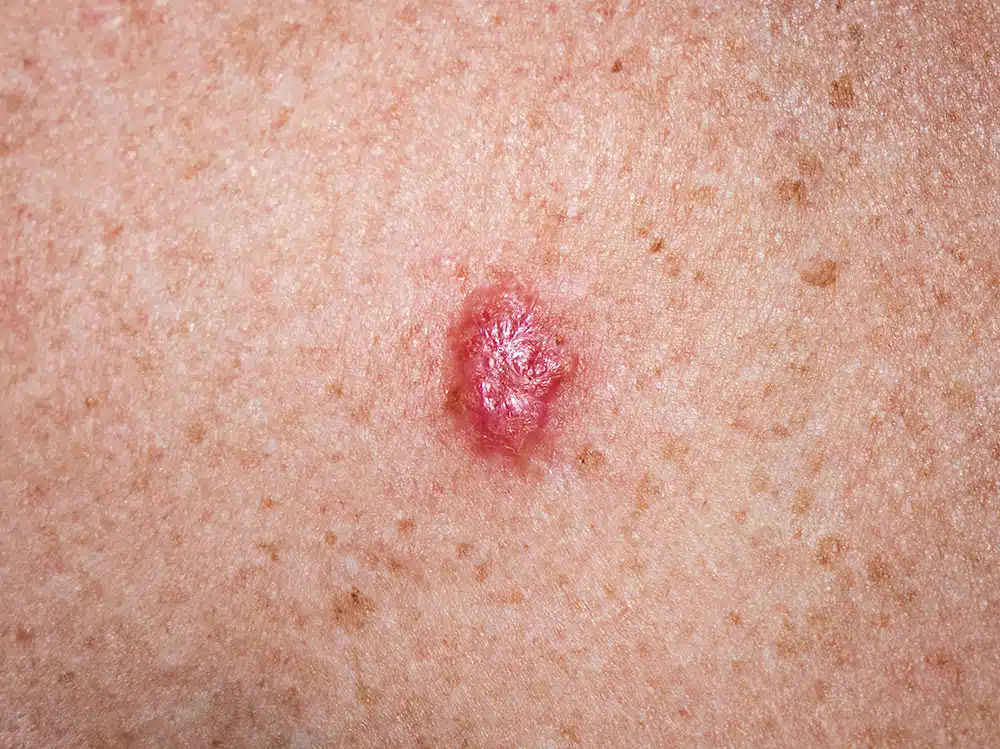
What Is Basal Cell Carcinoma?
Basal cell carcinoma has distinctive features, which can differ depending on the skin type. For patients with lighter complexions, for example, the color of the affected area of the skin would either be the same as the surrounding spot or would be pink. For those with darker skin, it would either have the same color or would be distinctly black.
In both cases, the lesion would be bumpy. BCCs typically form in areas that receive a lot of sun exposure, such as the face.
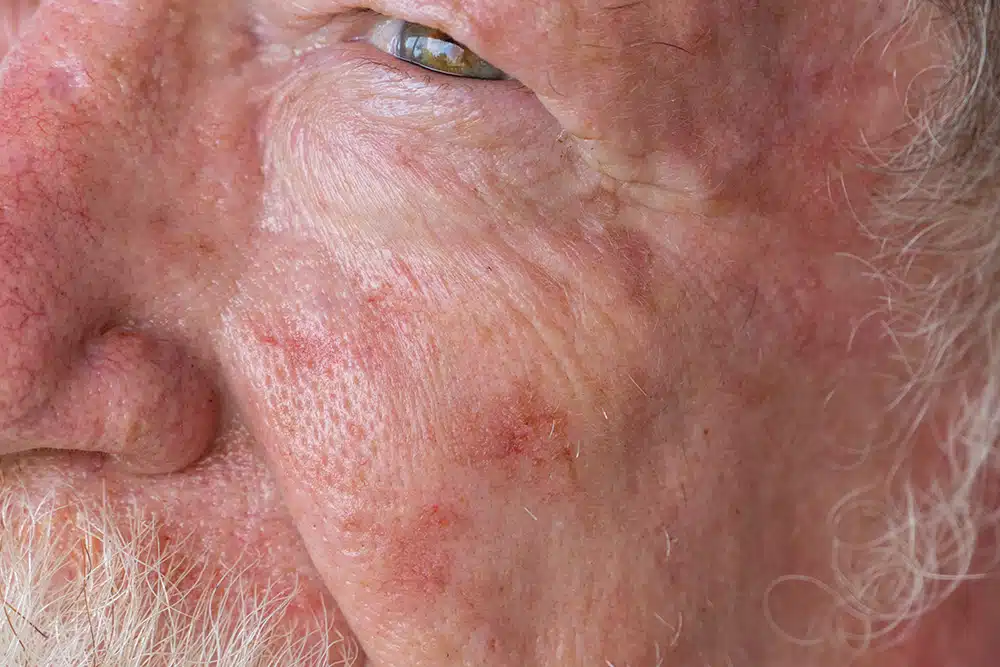
Causes of Basal Cell Carcinoma
The general process of the formation of basal cell carcinoma involves the DNA mutation of the skin’s basal cells. Instead of producing new skin cells that lead to older ones sloughing off, the production rate increases without the latter half of the equation. This is how the lesion forms.
UV rays, which can come from the sun and artificial sources like tanning beds, are often considered the main cause of this condition. Other risk factors include having lighter skin, advanced age, and genetic factors.
When to Get Treatment for Basal Cell Carcinoma
It is generally recommended that, as soon as symptoms of basal cell carcinoma appear, patients should schedule a consultation right away. The earlier the issue is diagnosed, the better.
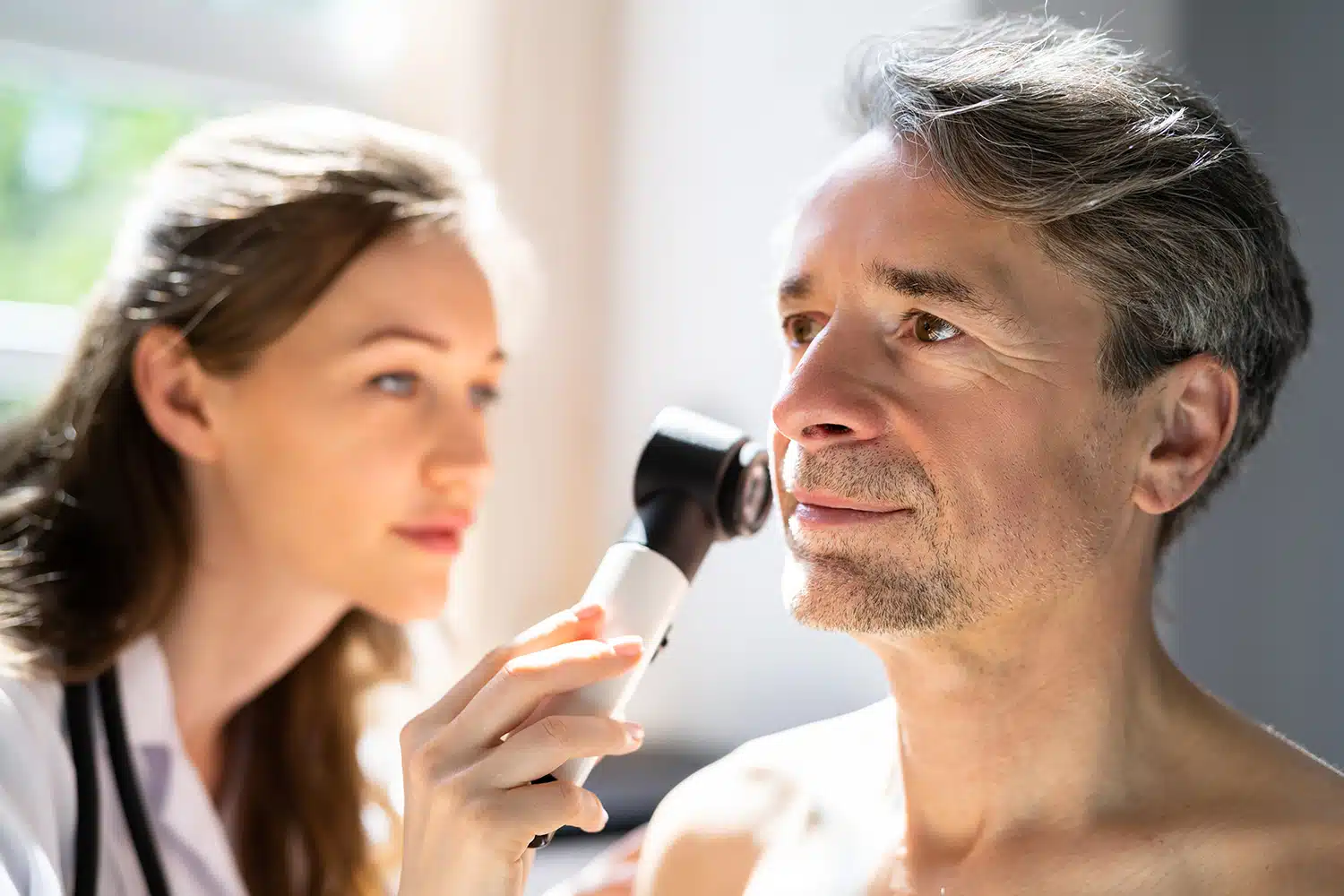
Basal Cell Carcinoma Treatment Options
Once the presence of basal cell carcinoma has been diagnosed, the next steps will depend on the details of each patient’s case. The most common method is Mohs surgery, which involves removing skin layers and analyzing them under a microscope. Each layer is examined for the presence of cancer cells, and once there are no more cancer cells, the process is complete.
For those who are unable to undergo surgery, other options are also available. These include freezing, radiation therapy, and topical treatments.
Basal Cell Carcinoma Aftercare
The aftercare instructions following basal cell carcinoma treatment will vary depending on which treatment method was used. For surgical procedures, it’s vital to take the prescribed medications and to follow the aftercare directions closely.
Have Questions About Skin Cancer Care?
Schedule a consultation today to discuss treatment options, pricing, and next steps with Dr. Harvey.